How Placement and Incision Closure Affect Surgery Scars

When planning for most types of surgery, most patients pay more attention to having their ailments addressed before the operation, but are often more concerned with their scars afterwards. Over the years, surgeons have begun to pay more attention to the neatness and placement of incisions before the operation to minimize the size and prominence of the resulting scars. From changing the method of closure and the size of the incision to the ability of the patient to cover the scars with clothing after the fact, scars are typically not as prominent as they used to be. There are several ways to minimize the effects of surgery scars, depending on the type of closure and incision used.

Location

The type of incision closure used is determined by the surgeon and the location of the invasive surgery wound. Stitches on skin that is affected less by movement and pulling on the incision area may come out in as few as five days and is less likely to have prominent scarring. Tougher skin and surfaces around joints and active body parts, such as the hands, knees and elbows, has a longer stitch removal time to prevent re-opening of the incision and possibility of infection. This also increases chances of a thicker scar, especially at the entry points of the sutures and staples. Incisions can be placed in visual line with wrinkles and other features to appear less prominent.

Sutures

Sutures, or stitches connect one side of the incision to the other. This helps the surgeon close the wound and prevent infection. Different types of needles and suture material have varying thicknesses and purposes. Stitches that dissolve on their own are more frequently used on the interior levels of the wound, rather than the exterior. Scars are more prominent when dissolving thread is used on the outer surface.

Staples

Surgical staples are typically easier to apply than sutures. They are also easier to remove. Staples don’t pull the skin together as tightly as sutures, which often results in a thicker, more pronounced scar.

Tape

Wound closure tape is usually reserved for minor cuts and is rarely used on surgical incisions. Tape isn’t strong enough to hold a deep incision closed, causing higher possibility of infection and a wider scar.

Surgery Scar Treatment

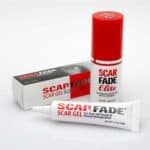
Reducing the effects of surgery scars can become more important to a patient when the healing process isn’t as quick or insignificant as first hoped. Surgery scar treatment might include use of antibiotics, keeping the wound free of debris and infection, scar massage, and use of silicone scar gel or sheeting. It’s wise for patients to discuss the alternatives with their doctors before surgery when possible. Planning ahead can affect the location and type of surgical closure method used.

Contact Scarfade at 1-800-771-2215 for more information on how to use our scar removal creams on surgery scars.

Posted in scar management | Leave a comment

Burn Scars: Looking Below the Surface

Burns have a multitude of causes, from chemicals to fire to hot liquids and heated surfaces. Skin burns can be minor and superficial or deep and very painful. The amount of damage caused by burns directly affects the healing process and scar formation. There are three stages of severity, noted as first-degree, second-degree and third-degree burns. The degree  is determined by the depth of the burn injury.

Superficial Burns

Also known as first-degree burns, the outer layer of the skin, called the epidermis, is damaged. The skin is painful, dry and red. It may eventually peel, but doesn’t always scar. Examples of superficial burns are sunburn and some scalds.

Second-Degree Burns

When the second layer of skin, called the dermis, is affected, the result is usually blistering, redness and swelling. Discoloration of the skin may result, which can be treated with scar cream once the injury has healed. Sun exposure to the area within the first year can result in continued pigment changes and should be avoided. Sunscreen of SPF 15 or greater is recommended. When using Scarfade over second-degree burns on the face, make-up can be worn to further minimize the scars.

Full-Thickness Burns

Third-degree burns can result from a variety of causes, from fire to radiation exposure to hot liquids. They destroy the dermis and epidermis, sometimes damaging nerve endings and hair follicles. The skin may have a red or black appearance. Some burn injuries are treated through surgical procedures, like skin grafts and transplants. Reconstruction surgery can improve the new, scarred skin’s flexibility and alter the shape and size of the scar. Once severe burn injuries and any surgical incisions have healed, they may be revised more than once to improve the appearance. The use of silicone scar gel can assist in minimizing the visual effects.

Keloids

Keloid scars are raised red scars that take on shape higher than the skin’s normal surface and may grow beyond the boundaries of the original burn site. They are common in the aftermath of burns and are difficult to control, even with surgery. Use of Scarfade silicone scar gel can help to limit the growth of keloids and reduce the discoloration.

Hyper-Pigmentation and Hypo-Pigmentation

Hyper-pigmentation can take on an unusual shape and uneven coloring. It is caused by excess melanin produced during the healing process by melanocytes, which are found at the bottom of the epidermal layer. Depending on the person’s natural skin tone and the severity of the burn, the scar can achieve drastic contrast in color to the surrounding skin, such as dark brown, purple, red or pink.  Hypo-pigmentation is the formation of white scars containing no melanin. Once the wound has healed and there is no infection, Scarfade silicone sheeting and silicone scar gel can be used to reduce hyper-pigmentation and hypo-pigmentation.

Posted in scar management | Leave a comment

Coping With Acne Scars

Acne is a common skin ailment most often associated with teenagers. It appears as red bumps on the skin, and can occur in teens and adults nearly anywhere on the body. Acne is slow to heal and can cause stress and embarrassment. Some cases result in scarring of the skin. It is caused by a break in hair follicles in the skin when infected material destroys healthy skin cells around it. New skin forms with help from natural collagen, which takes time, and the skin’s surface is never as smooth as it once was.

Appearance

Acne scars can take on many forms, resulting in discolored skin that stands out against the rest of the complexion. They are especially noticeable on the face and the back. For example, some scars can actually affect the shape of your face and change the way you look when you smile or frown. Some scars are even or slightly raised, while others are indented, resembling a pit formed from the loss of tissue.

Scar Remedies

For those who suffer from acne scarring on the chest, back and shoulders, a common remedy is to always wear a shirt to hide the scars. Scarfade is another option. It can be used on many different types of scars, including some caused by acne. However, the scar gel is generally ineffective on pitted scars. Scarfade scar removal products are more effective on saucer-shaped scars, which are the more even or raised varieties.

Laser skin treatments can be used to treat pitted scars by burning away the upper levels of skin to create a smoother appearance. This can cause additional scarring and redness of the skin which lasts several weeks or months. Laserfade scar cream can then be used to lessen the scars caused by laser treatments.

For deep pits, a puncture procedure performed by a dermatologist can remove the acne scar and raise the surface level of the damaged area if necessary. The skin is then sutured closed, leaving a less noticeable scar. This scar can then be treated as a regular surgical scar with Scarfade silicone scar gel to further reduce the scar’s appearance.

The recovery from acne lesions is a slow process that can be frustrating and disheartening. Over time, scars on the face, shoulders, chest and back can fade and, when treated properly, even disappear.

Posted in scar management | Leave a comment

How to Minimize Dog Bite Scars

With the upcoming National Dog Bite Prevention Week from May 19-25, 2013, we thought this might be a good time to discuss the medical treatments associated with dog bites and dog bite scars. According to the American Veterinary Medical Association (AVMA), there are more than 72 million pet dogs in the U.S. While not all dogs bite, they are capable of attacking, breaking the skin and drawing blood. Bites that puncture the lower dermis layer of the skin can result in scars.

According to the Centers for Disease Control (CDC), there are 4.7 million Americans bitten by dogs each year. One-fifth of all dog bites require medical attention. The most recent statistics from the American Society of Plastic Surgeons show that more than 29,000 reconstructive surgeries related to dog bites are performed annually. Dog bites can cause severe lacerations, which can result in disfigurement, infections and scars. The most common severe dog bite is to the face. The wounds usually have jagged edges and uneven depths, causing scarring that is thick and uneven in places. There are different types of injuries resulting from dog bites and attacks, from small puncture wounds to simple cuts to large areas of skin, nerve, bone and tissue damage.

Once the bite is cleaned, the doctor may need to perform surgery or suture the wound closed to minimize scarring. Special surgical techniques are used on the face to prevent wide and jagged scarring when possible. Depending on the severity and thickness of the scar, the bite area may require multiple surgeries to allow for the smallest scar formation possible. After the scar has formed, plastic surgeons may perform dermabrasion or scar revision surgery to smooth out the surface.

Once healing has begun, scar massage is a common recommendation by doctors. This prevents a lack of skin elasticity and mobility sometimes associated with facial scars. Silicone scar gel can also minimize the appearance of dog bite scars. It can be applied after the wound has healed and is worn with make-up to minimize the effects of facial scars until the scar fades away.

Posted in scar management | Leave a comment

The Benefits of Vitamin C

Among its other benefits, Vitamin C helps heal skin wounds and prevent them from becoming infected by promoting healthy collagen production and providing antioxidant benefits. Our bodies can’t produce and store Vitamin C and because it is water soluble, our bodies flush the Vitamin C we consume relatively quickly.  Therefore we must replace it regularly via food or supplements.

Vitamin C is an important factor in the growth and repair of bodily tissue.  It helps heal wounds by aiding the bodies process of tissue repair.  Vitamin C is an essential Antioxidant.  Antioxidants are important nutrients that help block the damaging effects of the free radicals we are exposed to via food, smoke, pollution, ultraviolet rays and other influences.

As noted above, the human body is unable to produce or efficiently store Vitamin C on its own.  Therefore it is important that we consume enough daily via food and supplements.  The following foods are widely accepted as good sources of Vitamin C:

-       Cantaloupe
-       Citrus fruits and juices like grapefruit and orange.
-       Kiwi
-       Mango
-       Papaya
-       Strawberries, blueberries, cranberries, raspberries
-       Tomatoes
-       Red and Green peppers
-       Brococoli
-       Cauliflower
-       Spinach
-       Cabbage
-       Leafy greens

Note that cooking and storing foods for long periods of time often reduces their Vitamin C content.  While microwaving or steaming foods can minimize this effect, the best bet is to eat them fresh and uncooked.

The (RDA) Recommended Dietary Allowance for Vitamin C is 75 mg per day for an adult (19 and over) female and 90 mg per day for an adult (19 and over) male.  There are many medical professionals who think it should be higher but this is a good rule of thumb to follow.  Because there are many factors that may affect the amount of Vitamin C your body needs or can handle, it is best to consult a qualified physician for advice if you are in doubt.

Posted in Uncategorized | Leave a comment

Joint Contracture and Prevention

When injured skin is healing, it develops scar tissue to help bridge the gap along the seams of the cut or damaged skin. This tissue is rich in natural collagen and has a much tougher composition than regular skin. Scars are often bright red or shiny, depending on the individual’s skin tone, the location and depth of the wound. Scar treatment and massage can minimize the effects.

One common complication from wound scars is found at the joints. Called contracture, it is when the formation of scar tissue above and below the surface shrinks and tightens while it develops. The tighter the scarred skin, the harder it becomes to move the joints. This can become painful and restrictive. Joint contracture is common in larger joints with larger scars, like the knee and elbow. As joint movement becomes more and more restricted, the muscles and other tissues are more noticeably affected. Burn patients and those with large and deep wounds are more susceptible to joint contracture. The tendency to develop contracture is also notably hereditary in people with dark skin, with red hair and in those of Asian descent.

Joint contracture is preventable. Once a  joint wound has started to heal, the patient can enroll in massage therapy, learning exercises from a professional. Stretches can prevent permanent damage from contracture. While stretching and manipulating the scars can be painful, especially in burn patients, the exercise process can minimize the tightening and restriction of the muscle joints and prevent permanent loss of joint use. In some cases, however, the development of scar tissue is slowed and makes the scars wider, making the scarred area larger and more pronounced. Scar tissue develops gradually and continually. Once the skin is healed, scar cream can be applied daily to minimize the scar’s appearance.

When contracture scars have healed poorly, preventing joint movement, a scar revision procedure can be done. There are two effective methods, depending on the type and location of the scar, as well as the individual’s difficulties in movement. One is to surgically remove the scar and scar tissue and replace it with a flap of skin, or a graft. Another option is to use tissue expansion techniques. In both cases, scar treatment after the fact can reduce the brightness of the scar and help it visually blend into the area better. The patient will need to participate in therapy to reduce the chances of redeveloping contracture scars and regain full function of the joint.

Posted in Uncategorized | Leave a comment

Overcoming The Challenges Of Foot Scars

Foot scars can be caused by many different sources. From laceration in stepping on sharp objects to surgery to correct broken bones or bunions, foot scars are more difficult to heal than many other areas of the body. One reason is that many parts of the foot have round or uneven surfaces. Since healing skin is weaker than the surrounding skin, pulling and jostling of the scarred area can reopen the wound, especially when the foot is frequently moved while walking or under pressure from standing. It has been clinically proven that the webbed areas of the hands and feet are at high risk of poor cosmetic healing, which complicates scar treatment and healing.

Another issue complicating the healing of foot scars is the use of socks and shoes. When worn too soon, fibers from socks can become embedded in a wound that isn’t carefully cleaned and dressed. As a result, the area can easily become infected, which prolongs healing and can lead to more prominent scarring. Shoes can compress the wound area, causing pressure and rubbing against the bandage or against the bare sore.

Circulation is another important factor in wound healing and the development of less noticeable scars. Restricted circulation in the foot can result in poor wound healing and more noticeable scars. Keeping the foot elevated helps with circulation and improves the blood and oxygen supplies to the foot. It also helps to gently massage the scars so that they don’t inhibit the movement of the foot.

There are several ways to cope with scars on the feet. One is to simply wear socks and shoes so that they are never seen. The scar doesn’t go away, but it is hidden, which prevents people from being embarrassed by their foot scars. While covering up isn’t an inconvenience for many people in the wintertime, those who like to go barefoot in the summer and swim at the pool or the beach can grow frustrated with their noticeable scars.

Another option is to have laser treatment. While this can minimize the effects of scars, it won’t make them go away completely.

In addition to or instead of laser treatment, use of scar treatment cream helps to further minimize the thickness and help fade scars. Scars on the feet are often red and show up more noticeably in paler skin tones.

Posted in Uncategorized | Leave a comment

Wintertime Scar Management Tips

Any wound or incision that injures the deep dermis layer of the skin has the potential to become a scar. Everyone’s skin is different in how it scars and how it heals. Winter weather is especially tough on the skin, scarred or not. Here are some ways to minimize the harsh effects of wintertime on your scars.

Hydration
Stay hydrated. Skin that is moist and wounds that are well hydrated heal faster. Cold and windy weather causes your body to dehydrate more quickly. The air is drier, and a stiff breeze whisks away the moisture on your skin. Don’t wait until you feel thirsty to drink water. Remember that the higher the altitude, the drier the air.

Nutrition
Keep in mind that your body has to work harder to moisten and warm cold air to match your body temperature. Stay warm when possible and keep up proper nutrition if you plan to be outdoors a lot. This way, your body can spend its energy on healing, instead of on keeping itself warm and hydrated.

Clothing
Avoid wearing restrictive clothing that will rub against healing scars or slow blood flow to the area. Avoid clothing like wool or mohair sweaters that shed fibers that can get caught in wounds. When using scar medicine such as Scarfade, consider using silicone sheets instead of scar cream to prevent the scar cream from rubbing off and from discoloring the fabric through contact.

Sunshine
Ultraviolet light slows healing and radiation from the sun’s rays can cause the color of scar tissue to be more prominent. Keep healing wounds and developing scars out of the sunlight. Sunscreen can be worn for added protection. Look for SPF of 15 or greater.

Activities
When scars are located on joints and parts of the body that expand and contract frequently, like the hands, knees and elbows, healing skin can be re-injured and reopened. This slows down the healing process and may make scars more prominent.

Cleanliness
Keep the wound clean and protected from infection. Covering it during the first week or so with a bandage or dressing prevents exposure to bacteria and infection.

Posted in scar management | Leave a comment

Skateboarding: Scar Treatment and Prevention

Skateboarding is a popular pastime, especially among kids. It is also a sport that encourages stunts and fast movement on hard pavement, presenting opportunities for injuries and, of course, scars. There are many ways to prevent and minimize injuries and scars resulting from skateboarding accidents.

Types of Injuries and Scars
Road rash is a common skateboarding injury, and one that isn’t often reported. Abrasions from sliding across a paved surface can result in bleeding, but doesn’t always produce scars. Other skateboarding injuries can result in cuts to the elbows, forearms, chin, shins, elbows, hands, knuckles and other body parts. Broken bones are another possibility. Compound fractures, which occur when the broken bone pierces through the skin, usually result in scars. While more serious injuries may occur, they don’t typically result in scars of the skin unless invasive surgery is involved.

Prevention
There are several ways to prevent skateboarding injuries that can result in scars. Most important is to cover the body with clothing and protective padding. This prevents injuries in the first place. Special protection includes helmets and gloves, as well as wrist, elbow and knee pads. Riders who try to avoid skateboarding on uneven surfaces that can launch a rider from their board are also less likely to sustain injuries. The use of skate parks is safer than paved roadways, parking lots and sidewalks because the surface is typically smoother and more predictable. It’s a good idea to walk through a new route and to check out the surface of an unfamiliar ramp on foot when possible. Checking the skateboard for cracks and loose parts before a ride can also help to prevent accidents and injuries.

Scar Treatment
Using silicone-based scar gel on the wound can reduce redness, thickness and prominence of skateboarding scars. It is important that road rash wounds are carefully cleaned before they begin to heal. Dirt, pebbles and asphalt debris trapped in a wound can cause infections and irregular surface healing.

Skateboarding Injury Statistics
According to statistics from the Consumer Product Safety Commission, skateboarders with less than a week’s worth of experience have the highest incidence of sustaining reported injuries, which is about 30 percent. Those who have been skateboarding for 12  months or more are the next most likely to suffer skateboarding injuries.

Posted in Uncategorized | Leave a comment

Coping With Scars From Carpal Tunnel Surgery

There are many different professions and hobbies which cause people to have problems with carpal tunnel syndrome. These include factory workers, court reporters, tennis players and anyone doing a lot of data entry. When left untreated or when symptoms continue to worsen, carpal tunnel surgery is an option. It is typically done on one wrist at a time. It may not be necessary to do both.

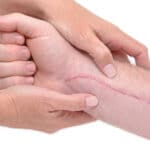
Carpal tunnel syndrome is caused by repetition of  the muscles in the wrist and forearm. The carpal tunnel is the name of the structure in the wrist made up of eight bones across the bottom and a roof shape made by a ligament running overtop. The median nerve and the tendons that control finger and thumb movement pass through this tunnel. When the tendons and nerve become swollen due to repeated movements, they irritate each other further. This causes additional pressure and swelling inside the tunnel, with tingling in the fingers and hand, as well as pain and difficulty in movement of the wrist and forearm. In some cases, the best remedy for long-term sufferers is surgery. This involves an incision across the wrist and palm. This basically cuts the carpal tunnel into two sections, relieving both pain and pressure.

Shortly after surgery, the doctor may require the patient to do exercises making a fist and stretching the hand several times per hour to prevent stiffness and additional swelling in the hands and fingers. About two weeks after surgery, the doctor will remove the stitches and recommend a scar therapy and massage program. Because the hands are so critical to many professions and are needed to perform so many everyday tasks, it is important for patients to follow their doctor’s recommendations.

Preventing thick scar tissue from forming in the wrists and hands is essential to having a good range of motion. Scar tissue can be restrictive and limit movements. Massaging Scarfade into the scarred areas of the wrist and hand can be instrumental in minimizing the thickness and discomfort associated with scars, not to mention the brightness and visibility. Scarfade C scar treatment cream is especially effective in promoting the synthesis of collagen and elastin. This, in turn, helps the skin to heal more quickly. While some people may prefer to use the silicone strips, others find it hard to keep the sheets on the inside of the hands during flexion and extension movement of the fingers and wrists.

Posted in Uncategorized | Leave a comment